
 248.601.9000
 Rochester, MI


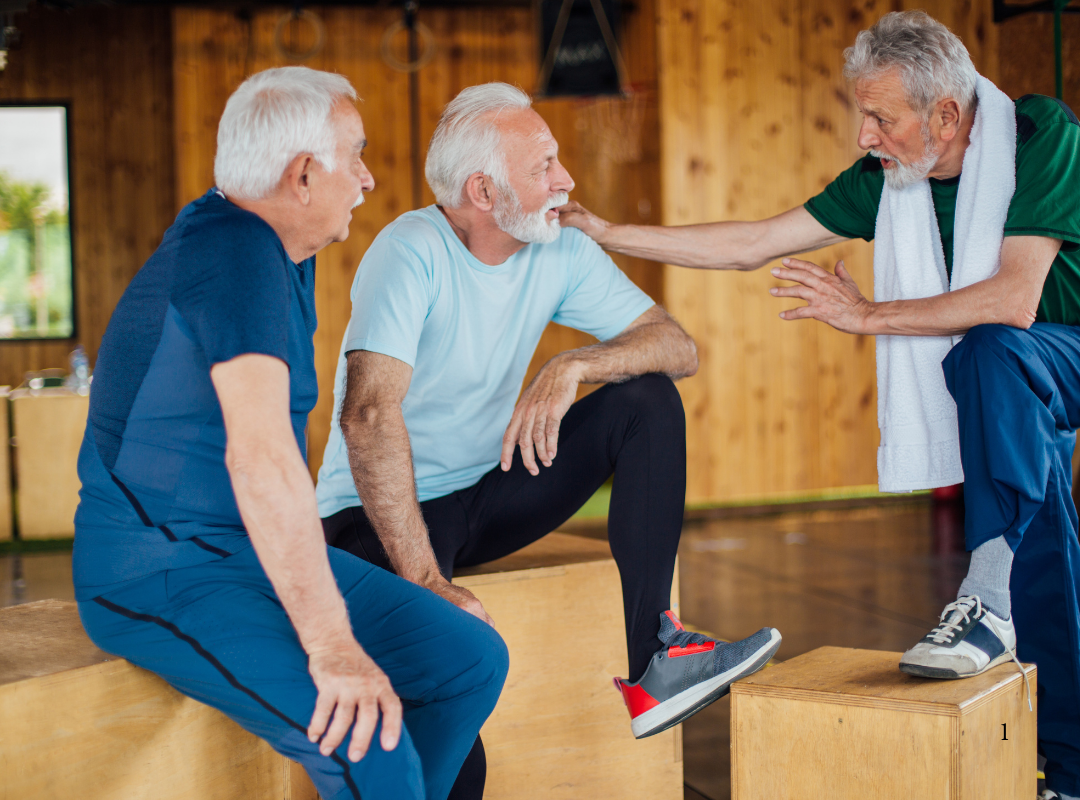
Strong legs help you stay independent, because they support the everyday things that matter: getting up from a chair, walking safely, climbing steps, and keeping your balance. The best leg exercises for seniors are simple, low-impact moves you can do consistently (even with limited mobility) to build strength, steadiness, and confidence, without needing a gym.
If you prefer leg strengthening exercises for seniors in bed, want leg strengthening exercises for seniors while sitting, or are looking for leg exercises for seniors at home that support balance and safety, this guide will walk you through easy options and a simple routine you can repeat each week. And if your main goal is safety, we’ll also focus on leg exercises for seniors to prevent falls with practical, supported movements.
Why Leg Strength Matters After 65
Leg strength and balance work together. When your legs get stronger, everyday movements feel steadier, and that can lower fall risk. Falls are common among older adults, and balance + strength training are key parts of prevention.
The CDC recommends that adults 65+ include muscle-strengthening activities and balance activities each week, exactly what a smart leg routine supports.
Safety first (quick disclaimer): If you’ve had recent surgery, severe arthritis pain, frequent dizziness, numbness, or recent falls, check with your clinician or physical therapist before starting a new exercise routine.
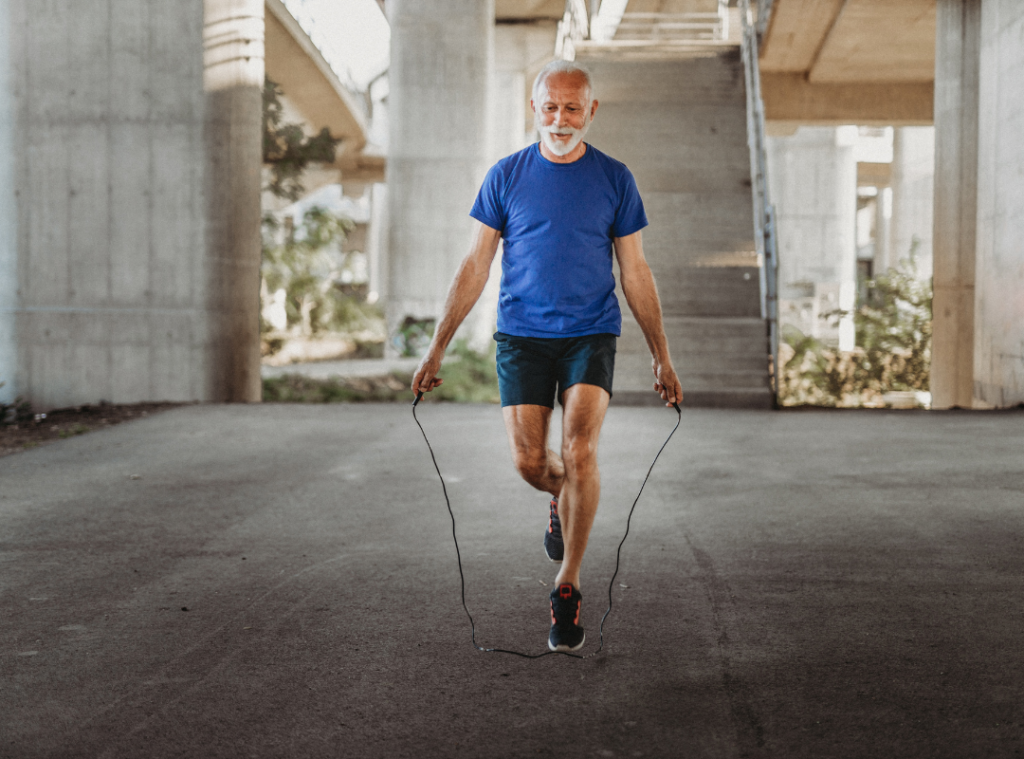
The Best Leg Exercises for Seniors (Safe, Simple, Effective)
Pick the section that matches your body today. You can mix and match.
Quick safety setup (before you start)
- Use a sturdy chair (no wheels).
- Keep water nearby and move slowly.
- Aim for “working” effort, not sharp pain.
- Stop if you feel chest pain, shortness of breath that’s unusual, or dizziness.
Leg strengthening exercises for seniors while sitting
These are great if you want low-risk strengthening with solid support.
1) Seated Knee Extensions (Quads)
- Sit tall, slowly straighten one knee, pause 1–2 seconds, lower.
- 8–12 reps per leg, 1–2 rounds.
2) Seated Marches (Hips + core support)
- Lift one knee a few inches, lower, alternate.
- 30–60 seconds, 1–2 rounds.
3) Ankle Pumps (Circulation + ankle strength)
- Point toes away, then pull toes toward you.
- 15–20 reps, 1–2 rounds.
4) Seated Heel Raises (Calves)
- Keep toes down, lift heels, lower slowly.
- 10–15 reps, 1–2 rounds.
Tip: These leg strengthening exercises for seniors while sitting are ideal on “lower energy” days, and still build consistency.
Leg strengthening exercises for seniors in bed
If standing feels unsafe, bed-based work can still build strength.
1) Quad Sets
- Leg straight, tighten the thigh muscle, hold 5 seconds, relax.
- 8–10 holds per leg.
2) Heel Slides
- Slide heel toward your hips (knee bends), then slide back out.
- 8–12 reps per leg.
3) Glute Squeezes
- Tighten your glutes, hold for 5 seconds, relax.
- 10 holds.
4) Straight-Leg Raise (only if comfortable)
- One leg bent, the other leg straight, lift a few inches, lower slowly.
- 6–10 reps per leg.
These leg strengthening exercises for seniors in bed are especially helpful on recovery days or when balance is a concern.
Leg exercises for seniors to prevent falls
These focus on strength + balance, using support so you feel secure. Balance training is strongly recommended for older adults.
1) Sit-to-Stand (Best “real life” strength builder)
- Sit on a sturdy chair, feet under knees.
- Stand up slowly, sit down with control.
- 6–10 reps, 1–2 rounds.
2) Counter-Supported Heel Raises
- Hold the counter, rise onto toes, lower slowly.
- 10–15 reps, 1–2 rounds.
3) Side Steps Along the Counter
- Step sideways 6–10 steps, then back.
- 2 passes.
4) Supported Single-Leg Stand (tiny holds count)
- Hold the counter, lift one foot slightly.
- 5–10 seconds per side, repeat 2–3 times.
These are excellent leg exercises for seniors to prevent falls because they train steadiness during the movements that cause most “wobbly moments.”
A Simple 10-Minute Routine: Leg Exercises for Seniors at Home
Try this 3 days per week to start (increase as you feel stronger).
- Seated knee extensions – 10 each leg
- Sit-to-stand – 6–10 reps
- Counter heel raises – 12 reps
- Side steps – 8 steps each way
- Ankle pumps – 20 reps
That’s it. Short, consistent sessions are often more effective than long sessions you avoid.
How to Progress (Without Overdoing It)
Once your routine feels easier:
- Add 1–2 reps per exercise each week, or
- Add a second round, or
- Use a light resistance band (seated work is a great place to start).
Aim for steady progress, not intensity.
Staying Motivated With Community Support in Rochester, MI
If you or a loved one thrives with structure and social connection, a community setting can make healthy habits easier to keep. River Oaks Senior Living is located in downtown Rochester, MI, near local attractions and offers a full calendar of engagement opportunities.
You can explore:
- Activities like fitness and yoga classes, arts and crafts, afternoon socials, movie screenings, and trips to local museums and historical sites
- Dining with chef-prepared meals
- Services such as housekeeping, laundry, on-site transportation, medication assistance, WiFi/cable TV, community/event rooms, and on-site rehabilitation services
- Care options include Independent Living, Assisted Living, Memory Care, and Respite Care
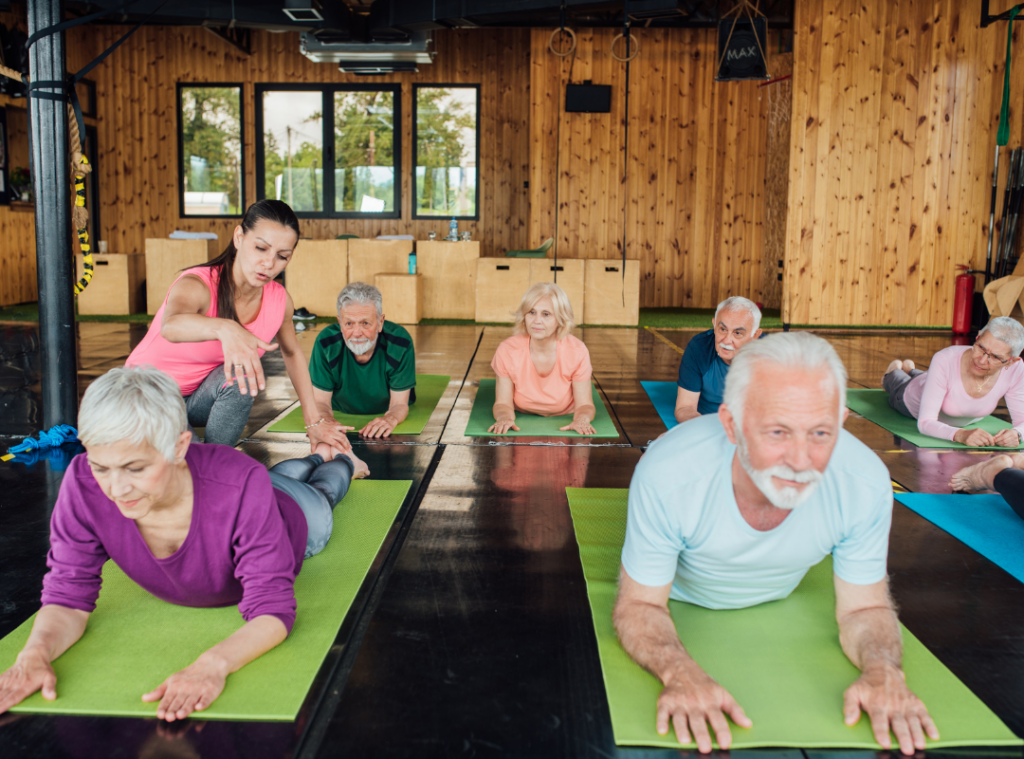
Make Your Next Step Feel Lighter
If you’re weighing options for yourself or a loved one, you don’t have to figure it out alone. River Oaks Senior Living is here to be a calm resource, answer questions, talk through needs, and help you choose a path that feels safe and supportive. Call 248-601-9000 or schedule a tour to see the community and ask what daily wellness support could look like for you.
Frequently Asked Questions
What is the best exercise for seniors to strengthen their legs?
The best exercise for seniors to strengthen their legs is often a combination of squats, leg raises, and seated marches. These moves help improve balance, stability, and overall muscle tone. Seniors can perform them at home with minimal equipment. Starting slowly and increasing repetitions over time ensures safe progress. Consulting a healthcare provider before beginning any routine is always recommended.
How can I build leg muscle after 70?
Building leg muscle after 70 is possible through consistent strength training using light weights, resistance bands, or bodyweight exercises. Focusing on exercises like chair squats, step-ups, and calf raises can significantly improve leg strength. Adequate protein intake also supports muscle growth. It’s essential to start gradually to prevent injury. With patience and routine, noticeable improvements can be achieved.
What is the number one best leg exercise?
Many fitness professionals consider squats the number one leg exercise because they target multiple muscle groups at once. Squats strengthen the thighs, hips, and glutes, making daily activities easier. They can be modified by using a chair for support or reducing the depth for comfort. This makes them safe and accessible for seniors. Practicing proper form ensures maximum benefit and reduces the risk of injury.
Can the elderly regain leg strength in elderly?
Yes, elderly adults can regain leg strength with the right combination of regular exercise and proper nutrition. Muscles respond to strength training at any age, making improvement possible even later in life. Low-impact exercises, such as seated leg lifts, walking, and resistance band training, can help restore strength safely and effectively. Progress may be gradual, but steady effort leads to meaningful gains. Working with a physical therapist can provide additional recovery support.